

Birmingham Airport (BHX), which was the United Kingdom’s seventh-largest airport during the first 11 months of 2025, has announced that it will seek to attract airlines willing to offer direct transatlantic services to the United States, particularly New York, by offering multi-year financial support.
However, in an interview with The Engine Cowl, Louis de Joux, an experienced airline executive with stints on British Airways and American Airlines’ commercial teams, who currently runs Reperio, a consultancy focused on the transatlantic market, warned about ongoing structural shifts in the transatlantic market.
According to de Joux, this includes continued focus on the preferences of US-based leisure consumers, which could impact airlines’ desire to launch transatlantic services from BHX.

Financial incentives for BHX-New York flights
On February 6, 2026, BHX announced that it will offer a “targeted, financial support package” to attract airlines to launch direct services to New York, potentially either John F. Kennedy International Airport (JFK) or Newark Liberty International Airport (EWR).
The airport’s statement read that BHX remains without direct services, with around 485,000 travelers from the West Midlands flying to the US in 2024 via other airports. Across the airport’s wider catchment area, that number was over 1.8 million, or around 5,100 daily passengers, BHX pointed out.
“The multi-year financial support offer will see the airport invest several million dollars to secure direct, daily scheduled services between New York [and] BHX, from summer 2027.”
The start of the new services will coincide with the beginning of the Invictus Games, which Birmingham, UK, will host. According to the airport, the event will bring “global attention and much sought-after connectivity.”
“Direct US connectivity is a strategic priority for Birmingham Airport, reflecting strong demand and pressure from businesses, regional investors, universities, and exporters.”
Losing direct connectivity in 2018
Cirium’s Diio Mi shows that BHX had direct services to New York until 2018, with US-based airlines stopping their direct flights in 2017. Primera Air, the now-bankrupt airline, offered BHX-EWR flights until June 20, 2018, while United Airlines operated BHX-EWR until October 2017.
De Joux stated that the pandemic only accelerated certain structural shifts in the transatlantic market.
“As transatlantic demand moved from a roughly balanced 50/50 split to closer to 60/40 in favor of American travelers, airlines redirected growth toward destinations with strong leisure appeal for US consumers, including picture-perfect destinations like Mallorca, Spain, or Catania and Naples in Italy.”
As a result, US airlines see the most success on routes driven by US point-of-sale, where sales “consistently deliver higher fares and stronger premium performance.”
De Joux noted that for airlines, “every new long-haul route carries a clear opportunity cost: deploying an aircraft to one market means not deploying it to another.”
“In today’s transatlantic environment, that trade-off increasingly favors destinations with strong US-origin, premium leisure demand.”
The experienced airline executive added that European airports must recognize that “demand has become critical when competing for scarce long-haul capacity.”
However, Nick Barton, the Chief Executive Officer (CEO) of BHX, is quoted as saying that discussions with carriers resulted in assurances that the return of direct services from BHX to the US is not a question of “if, but when.”
(TUI Airways runs a once-per-week seasonal service from BHX to Melbourne Orlando International Airport (MLB), primarily serving UK leisure travelers looking to visit Walt Disney World Resort.)
 Rytis Beresnevicius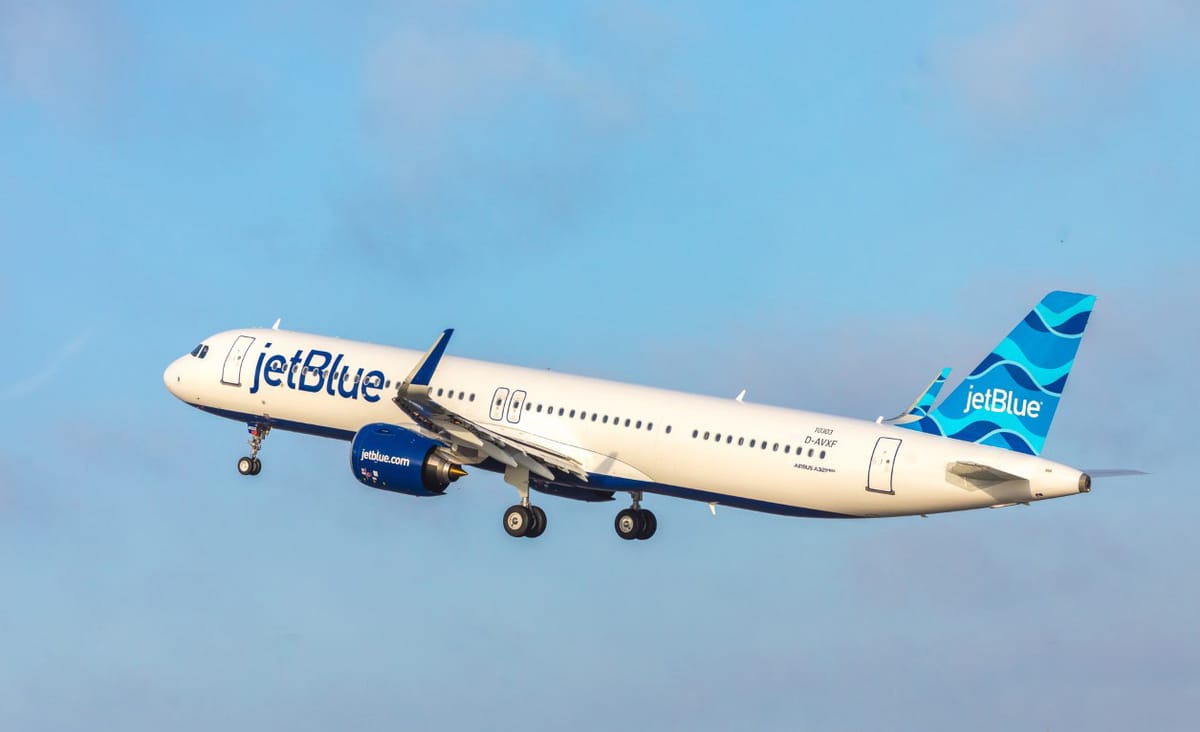
Selective growth
The current geopolitical environment could also be a hurdle for BHX in attracting airlines willing to fly BHX-JFK or BHX-EWR routes. According to data from the US International Trade Administration (ITA), arrivals of UK citizens to the US are down 4.2% year-on-year (YoY) in 2025, while departures are down 1.8%. In addition, fewer US citizens flew across the Atlantic to visit the UK, with US to UK departures being down 0.4% YoY.
De Joux explained that geopolitical concerns or aircraft shortages have not stopped airlines from growing. Instead, carriers have become more selective about where to grow, he added.
“Markets that align airports, tourism bodies, cruise lines, and tour operators around a coherent growth strategy stand the best chance.”
The founder of Reperio said that the current UK Air Passenger Duty (APD), which will increase to £90 ($123) for economy passengers and £216 ($295) for passengers flying in seats with more than 40 inches (101.6 cm) in pitch from April 1, “continues to suppress demand and raises the bar for new transatlantic services.”
Manchester’s struggles
When asked why Manchester Airport (MAN) continues to offer direct services to the US, including JFK, De Joux highlighted that, while Virgin Atlantic continues to fly between MAN and JFK and two other US destinations, no US-based carrier has returned to MAN since the pandemic.
“This reflects the airport’s continued reliance on UK-origin traffic and its still relatively limited pull for US leisure travelers.”
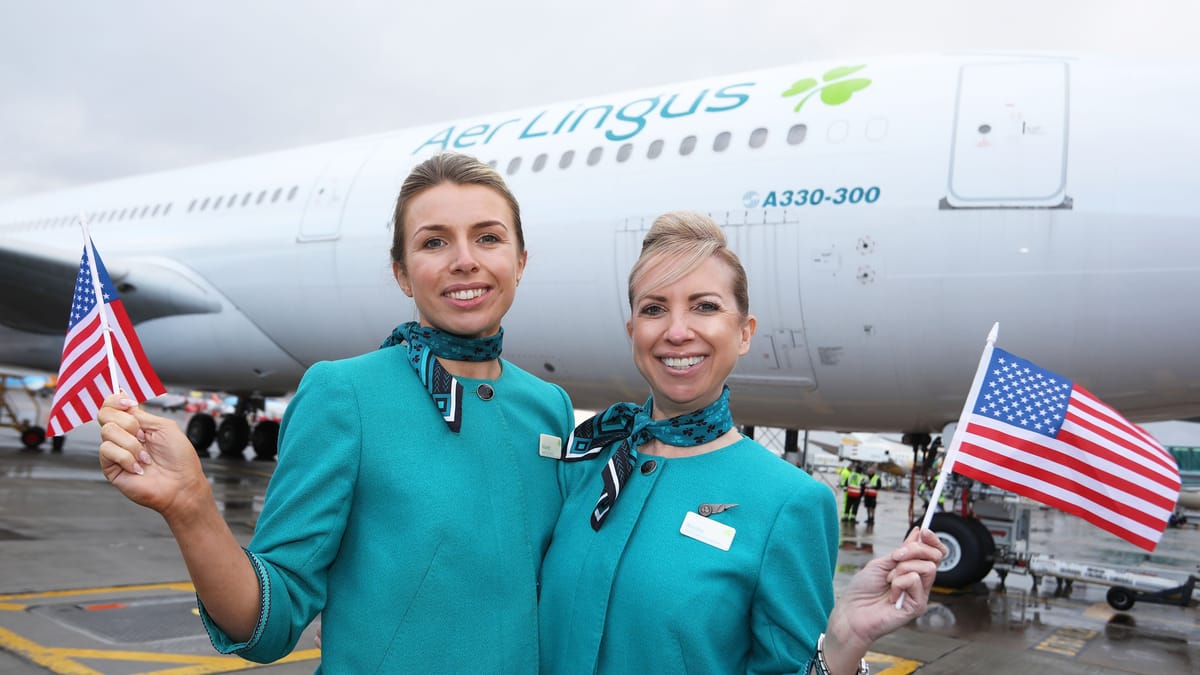
Aer Lingus will stop its MAN-JFK flights on February 23.
Cirium’s Diio Mi shows that just before the start of the pandemic, American Airlines used to fly MAN-Philadelphia International Airport (PHL) daily, while United Airlines operated MAN-EWR, also daily. Even Singapore Airlines offered one-stop flights from Singapore Changi Airport (SIN) to Houston George Bush Intercontinental Airport (IAH) via MAN up until March 2025.
Still, De Joux pointed out that the arrival of long-range narrowbodies, such as the Airbus A321XLR, or the “low-key entry of the 737 MAX 8 into transatlantic service, does create selective opportunities, particularly for airports closer to the US Northeast with lower trip-cost economics.”
During the upcoming summer season, United Airlines, for example, will operate transatlantic flights with the 737 MAX 8 on four seasonal routes from EWR: to Glasgow Airport (GLA), Madeira Airport (FNC), Ponta Delgada Airport (PDL), and Santiago de Compostela Airport (SCQ).
 Rytis Beresnevicius