

Airline groups have criticized the proposed changes to the European Union’s (EU) passenger rights rules, commonly known as EU261, with lawmakers recommending that every traveler should have the right to carry one personal item plus one free piece of hand luggage, potentially undermining ancillary revenue opportunities for airlines.
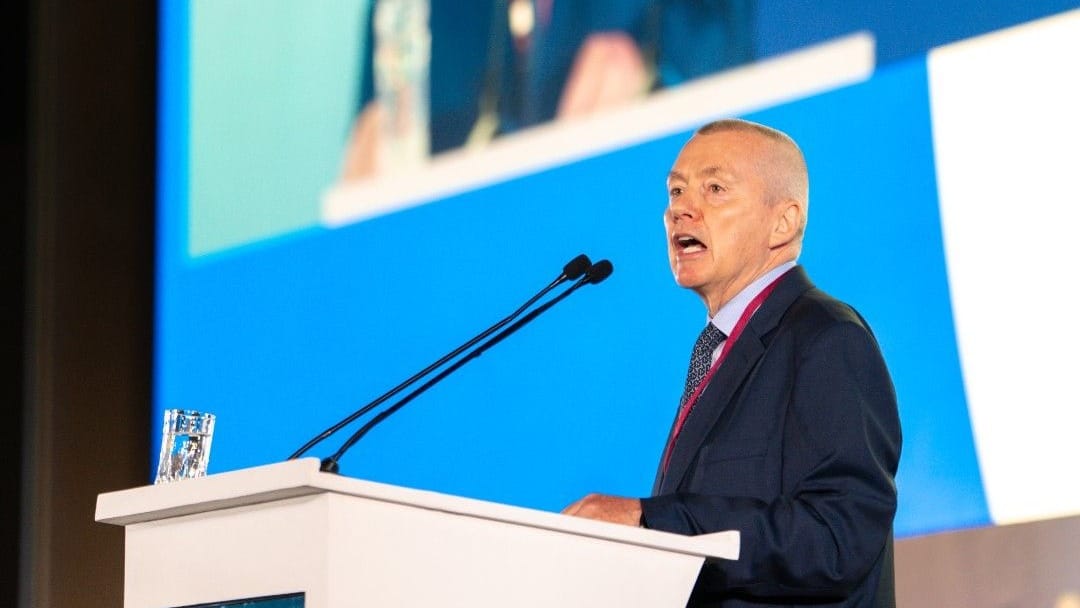
On January 13, 2026, Airlines for Europe (A4E), the European Regions Airline Association (ERA), and the International Air Transport Association (IATA) “expressed deep concern” about the EP’s move to “weaken consumer choice and damage the competitiveness of the European aviation industry.”
In a vote on January 12, the EP’s TRAN approved potential changes to the EU’s passenger rights regulations – EU261 – with four key changes that could affect airlines based in Europe, as well as those flying from/to the EU.
What are the proposed changes?
First, the Committee rejected proposals to increase the compensation threshold when flights are delayed from more than three hours to four to six hours.
TRAN was also against lowering the compensation payments from between €300 ($350) and €600 ($700) to between €300 and €500 ($583.3).
At the same time, the Members of the EP (MEPs) admitted that airlines should be forced to pay compensation for disrupted flights only when they cannot control the circumstances of why the flight was delayed and/or cancelled.
The draft list of extraordinary circumstances that would waive compensation payments includes “natural disasters, war, weather conditions, or unforeseen labour disputes” that could affect airlines, airports, or air navigation service providers (ANSPs).
Second, the MEPs were “adamant” that passengers should have clear information about baggage procedures and advocated for a free carry-on for all passengers of up to 100 centimeters (39.3 inches) in combined length, width, and height and weighing up to 7 kilograms (15.4 pounds).
The free carry-on would be in addition to a free “personal item, such as a handbag, backpack, or laptop.”
If implemented, this could force European low-cost airlines to adjust their carry-on bag rules, threatening a key source of ancillary revenue.
“Transport MEPs also want to scrap the additional fees some travellers are forced to pay, for instance, for correcting passenger name spelling errors or for checking in.”
Third, they want airlines to pay compensation when a passenger with reduced mobility or children misses their fault “due to the airport’s failure to help them reach the gate on time.”
Travelers with disabilities, who are pregnant, or children with an accompanying person should be given priority when boarding. The accompanying person should be able to sit next to them without paying any extra fees.
Fourth, TRAN pushed for standardized forms for compensation and reimbursement requests, which would simplify claims.
Interestingly, the MEPs argued that this would help airlines and passengers “avoid claim agencies,” which, in Europe, have expanded throughout the past few years, especially during the pandemic and after air travel came roaring back in 2022 and 2023.
If passed, airlines would be mandated to send compensation forms within 48 hours of a delayed and/or cancelled flight, while passengers would have a year to file the compensation. This would likely lead to a higher claim rate and increased compensation costs for airlines, ultimately resulting in higher ticket prices.
What happens next?
TRAN’s draft position will now go to the plenary session of the EP for a vote.
The joint statement by A4E, ERA, and IATA noted that evidence has shown that consumers prefer choice, value for money, and punctuality over additional compensation schemes, reiterating that the changes would increase fares for passengers.
According to their estimates, EU261 regulations already set back airlines around €8.1 billion ($9.4 billion) per year, and lawmakers should prioritize clarifying the rules, keeping flying accessible, and keeping Europe connected.
 Rytis Beresnevicius