

flynas has announced that, together with the Syrian General Authority of Civil Aviation (GACA), it will open a subsidiary in Syria, called flynas Syria, with the agreement being signed within the framework of cooperation and strategic investment agreements between Saudi Arabia and Syria.
The new airline, which will begin flights in Q4 2026, is just another example of Gulf-based investors flocking to Syria after the fall of the Bashar al-Assad regime in 2024.
flynas’ joint venture in Syria
In a statement, flynas confirmed that, in partnership with GACA, it will establish a joint venture in Syria, called flynas Syria. The Syrian low-cost carrier will begin flying in Q4 2026, with flynas owning 49% of the new airline. GACA will own the remaining 51%.

flynas detailed that its Syrian subsidiary will launch flights to destinations across Africa, Europe, and the Middle East. Bander Almohanna, the Chief Executive Officer (CEO) of flynas, said that with the establishment of a “world-class” low-cost carrier, the Saudi Arabian airline will contribute to “Syria's regional and international connectivity and advance the civil aviation sector in Syria” with its “pioneering” low-cost airline experience.
“The unique geographical position of Syria and its tourism potential make it a vital hub for air travel. We are working at an accelerated pace to complete the necessary licensing procedures.”
Omar Hisham Al Hosari, the President of GACA, added that flynas Syria is part of the country’s vision to rebuild and develop “Syria’s civil aviation sector on modern economic and regulatory foundations, while achieving a balance between safety requirements, operational sustainability, investment stimulation, and passenger service.”
flynas, the first Saudi Arabian airline to resume flights to Syria in June 2025, did not specify how many aircraft it will base in Syria.
Rebuilding Syria’s civil aviation with international investments
Following the fall of al-Assad’s regime in late 2024, foreign investors have eyed opportunities in Syria’s civil aviation, which, considering the number of refugees discplaced across the region and the world, could see a lot of activity in the coming years.
Qatar-based UCC Holding announced that it will lead a five-company consortium to redevelop and expand Damascus International Airport (DAM) in August 2025. The more than $4 billion investment package includes $250 million in financing for Syrian Air, the flag carrier of the country, to “purchase up to 10 Airbus A320 aircraft.”
The agreement was finalized in November 2025. At the time, UCC Holding said construction had already begun, including the development of Terminal 2 at DAM, which it expects to open “before the upcoming Hajj season,” which begins in late May.
“In parallel, Terminal 1 will be redesigned and developed, and its interior and service facilities updated, with work expected to be completed by the end of 2026, which will raise the airport’s capacity to 6 million passengers annually.”
Al Reef Group, a company based in the United Arab Emirates (UAE), also helped to launch FlyCham, a private airline in Syria. However, according to research by Daraj, an independent media outlet based in Beirut, Lebanon, FlyCham is essentially Cham Wings Airlines under a new name.
Cham Wings Airlines is still sanctioned by the United States and the European Union (EU), with the EU sanctioning the airline in January 2024 for using its aircraft “to engage in the transfer of Syrian mercenaries, arms trade, narcotics trafficking, and money laundering, which supports the activities of the Syrian regime.”
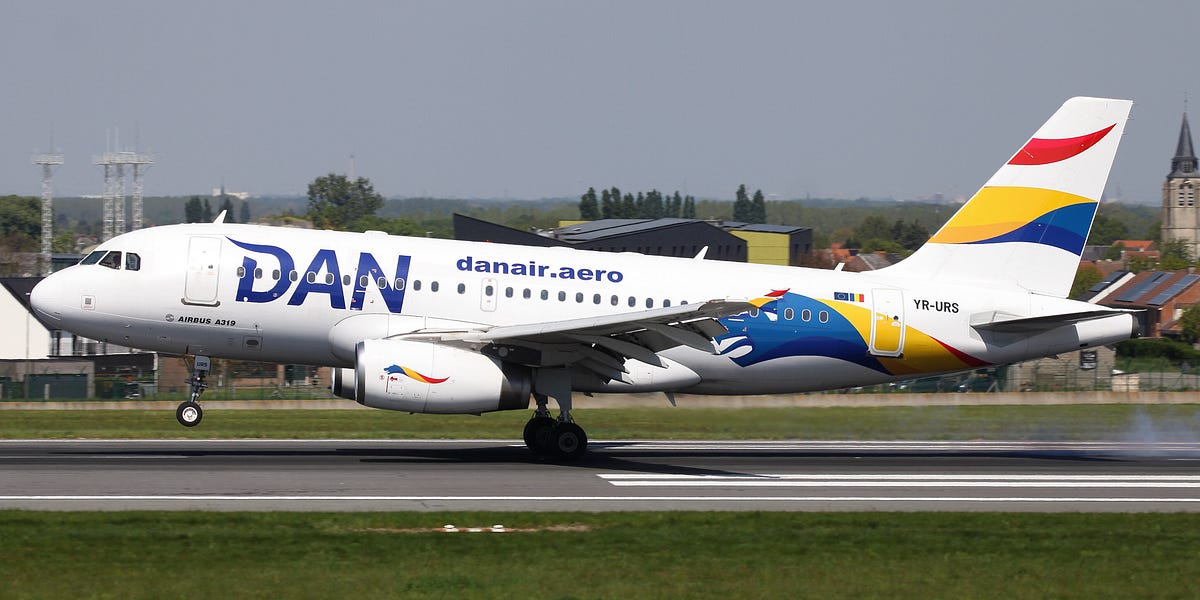
While international airlines are yet to flock to Syria en masse, some major brands have begun flying to the country, including Air Arabia, Dan Air, flydubai, flynas, Qatar Airways, Turkish Airlines, and others, according to the latest schedules from Cirium’s Diio Mi.
 Rytis Beresnevicius