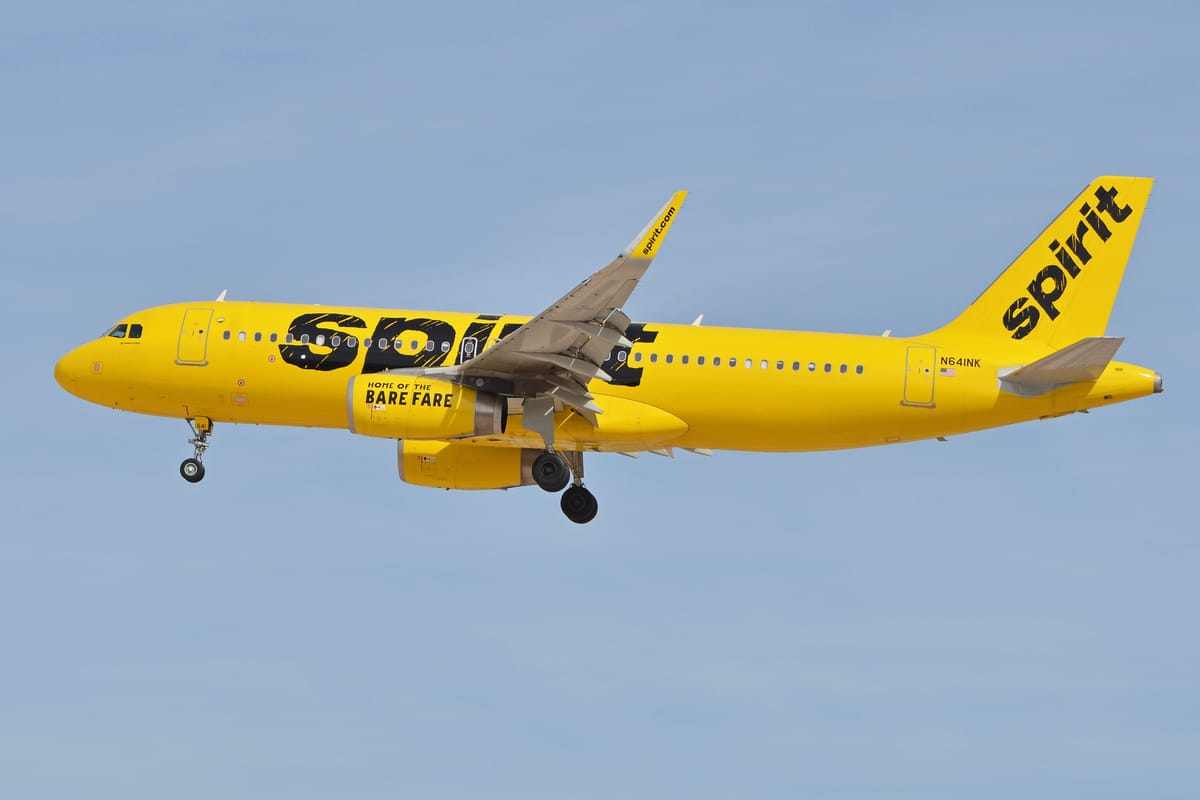


With Spirit Airlines looking to emerge from its second Chapter 11 bankruptcy as a leaner, more premium low-cost carrier, it is clear that the airline’s leadership has taken a different approach than its main low-cost competitor, Frontier Airlines.
The Engine Cowl explores how the two low-cost carriers have struggled since the post-pandemic boom, and how, in recent months, their recovery paths diverged as Frontier Airlines and Spirit Airlines look to build solid foundations for their long-term futures.

Costs outpacing revenues
Since 2022, both airlines have struggled to ensure that their unit costs, cost per available seat mile (CASM), stay below unit revenue, total revenue per available seat mile (TRASM).
Frontier Airlines was slightly more successful, having delivered a few profitable quarters, while for Spirit Airlines, the only quarter between 2022 and 2025 when unit revenues were ahead of unit costs was Q2 2023.
Both carriers have faced ballooning unit costs and challenges in ensuring that revenue keeps up.
 Rytis Beresnevicius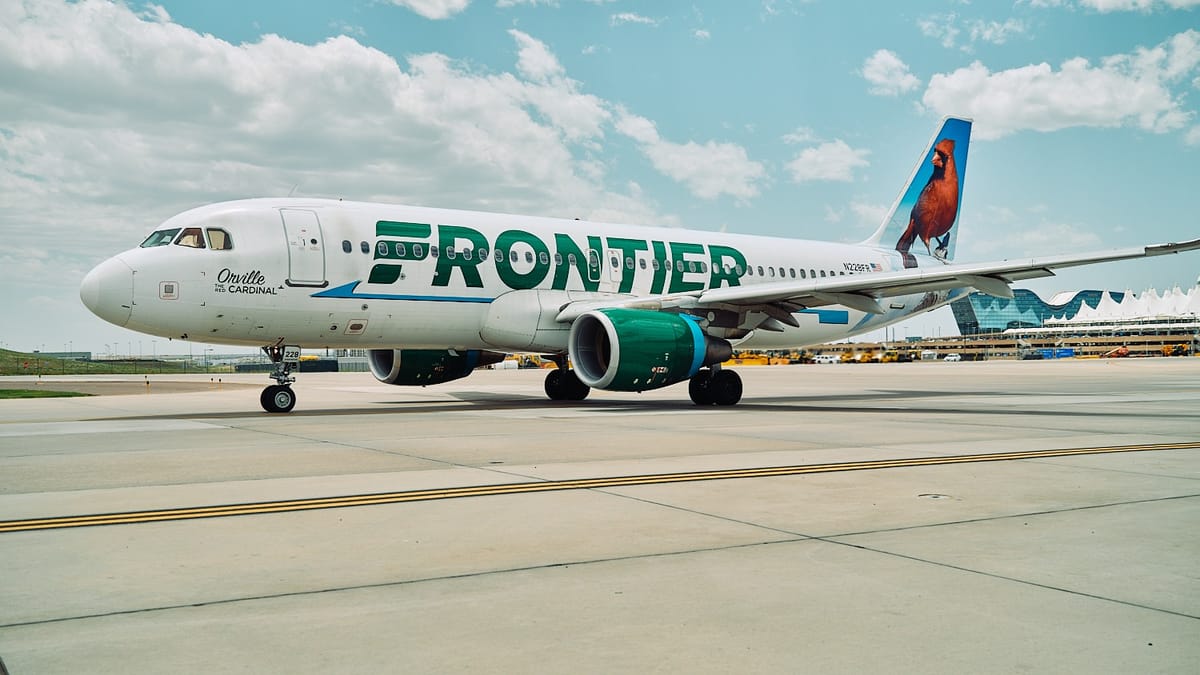
Responding to the demand environment
Initially coming out of the pandemic, the two airlines deployed relatively similar strategies in response to a changing demand environment.
Both airlines have introduced new premium cabin features amid an uneven economic recovery that has driven stronger demand for premium products. This includes Frontier Airlines’ first class seating, which has yet to be introduced into service, and, for example, Spirit Airlines’ Premium Economy product, which offers extra legroom.
Similarly, both carriers adjusted their schedules to focus flying on peak travel days while lowering utilization on off-peak days, particularly Tuesdays and Wednesdays.
On average, in 2024, Frontier Airlines operated 458 flights on Tuesdays and 468 on Wednesdays, for example. In 2025, the average dropped to 316 on both Tuesdays and Wednesdays.
Spirit Airlines averaged 662 flights on Tuesdays in 2024, down to 441 in 2025.
Diverging recovery paths
However, more recently, their recovery strategies have diverged. Frontier Airlines looks set to refocus on its ultra-low-cost carrier roots, while Spirit Airlines will likely emerge from Chapter 11 proceedings as a smaller airline focused on delivering high unit revenue.
The first difference is that while Spirit Airlines will continue to concentrate on flying on peak days, Frontier Airlines plans to rebuild its utilization on off-peak days. During Frontier Airlines’ Q4 2025 earnings call, James Dempsey, the new Chief Executive Officer (CEO) of the airline, detailed that its capacity growth will come from increased utilization, with the profile of its schedules changing throughout “the second half of the year.”
“Well, fundamentally, the efficiency that comes to the airline from flying a more regular schedule throughout the week is a meaningful cost saving in the business.”
Frontier Airlines’ guidance outlined that its capacity will grow by around 10% in 2026 compared to 2025. The capacity growth will come despite its fleet size remaining the same.
Meanwhile, on February 24, 2026, Spirit Airlines confirmed that network optimization will include “higher aircraft utilization during peak days while reducing off-peak flying, as well as the flexibility to adjust to seasonal demand across markets.”
 Rytis Beresnevicius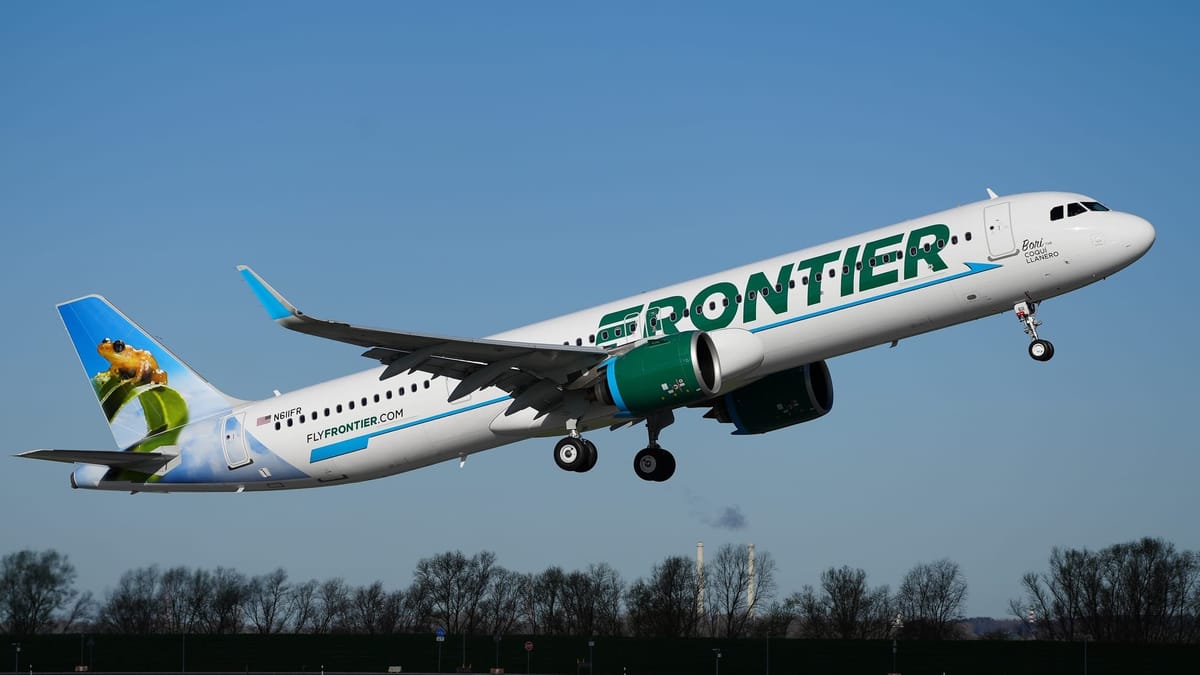
A320neo vs A320ceo fleet
The second difference is that Frontier Airlines will continue to shift its fleet toward next-generation A320neo family aircraft. This makes sense for an airline that plans to return to higher utilization and will therefore prioritize lower operating costs over higher aircraft ownership costs.
At the end of 2025, Frontier Airlines had 176 Airbus aircraft: 6 A320ceo, 21 A321ceo, 89 A320neo, and 60 A321neo.
In contrast, Spirit Airlines’ fleet will be largely comprised of A320ceo family jets. Parking A320ceo family aircraft during off-peak days is much cheaper to do, considering the higher lease payments for next-generation A320neo family aircraft.
While the airline has not confirmed its final post-bankruptcy fleet plans, when it reached an agreement with International Aero Engines (IAE), one of its creditors, Spirit Airlines committed to flying between 10 and 28 A320neo family aircraft, and at least 78 A320ceo family aircraft.
Before it filed for its second Chapter 11 bankruptcy in August 2025, Spirit Airlines had 215 A320 family aircraft as of June 30, 2025: 63 A320ceo, 29 A321ceo, 91 A320neo, and 32 A321neo.
It owned 49 aircraft, “of which none were unencumbered, as of June 30, 2025.”
At least according to planespotters.net, Spirit Airlines now has 55 A320ceo, 25 A321ceo, 16 A320neo, and 21 A321neo aircraft, for a total of 117. The number could still go down as the low-cost carrier continues to amend leases as part of its restructuring.
 Rytis Beresnevicius