


Lithuanian Airports (Lietuvos Oro Uostai, LTOU), the managing company of Vilnius Airport (VNO), Kaunas Airport (KUN), and Palanga Airport (PLQ), has announced that it reached an all-time passenger record, with the trio of commercial airports welcoming more than 7.1 million travelers in 2025, despite sustained external challenges, including contraband balloons.
On January 7, 2026, LTOU announced that the company ended 2025 with 7.1 million passengers, a record-breaking year for the country’s airports. That also meant that after more than 20 years, the trio of Lithuanian airports had been busier than Riga Airport (RIX), the main travel hub for direct flights out of the Baltic States.
Simonas Bartkus, the Chief Executive Officer (CEO) of LTOU, noted that the growing passenger numbers represented “numerous meetings, business agreements, holidays, and other stories that connected Lithuania closer to the rest of the world.”
“In addition, the record-breaking passenger numbers showcased the importance of our cooperation with different government bodies, which only improved our country’s resilience to external threats.”
Those external threats had disrupted the traffic at VNO, at times KUN, on more than a dozen occasions between early October 2025 and December 2025. Air traffic at VNO had been suspended multiple times due to contraband-carrying balloons that were launched from Belarus.
According to a previous statement by the de facto dictator of Belarus, Aleksandr Lukashenko, the country’s border guards have been aware of the balloons, with the dictator rhetorically asking, “So what?” and sharing his grievances about the fact that the Western world has sanctioned Belarus.
Some of those sanctions, including those imposed on Belavia, the flag carrier of Belarus, have been lifted. However, that has not stopped balloons from flowing in.
On January 6, the Lithuanian Ministry of Interior (Lietuvos Respublikos vidaus reikalų ministerija, VRM) said that the country’s border officials had intercepted the first package of contraband cigarettes, lifted into Lithuania via balloons, in 2026.
 Rytis Beresnevicius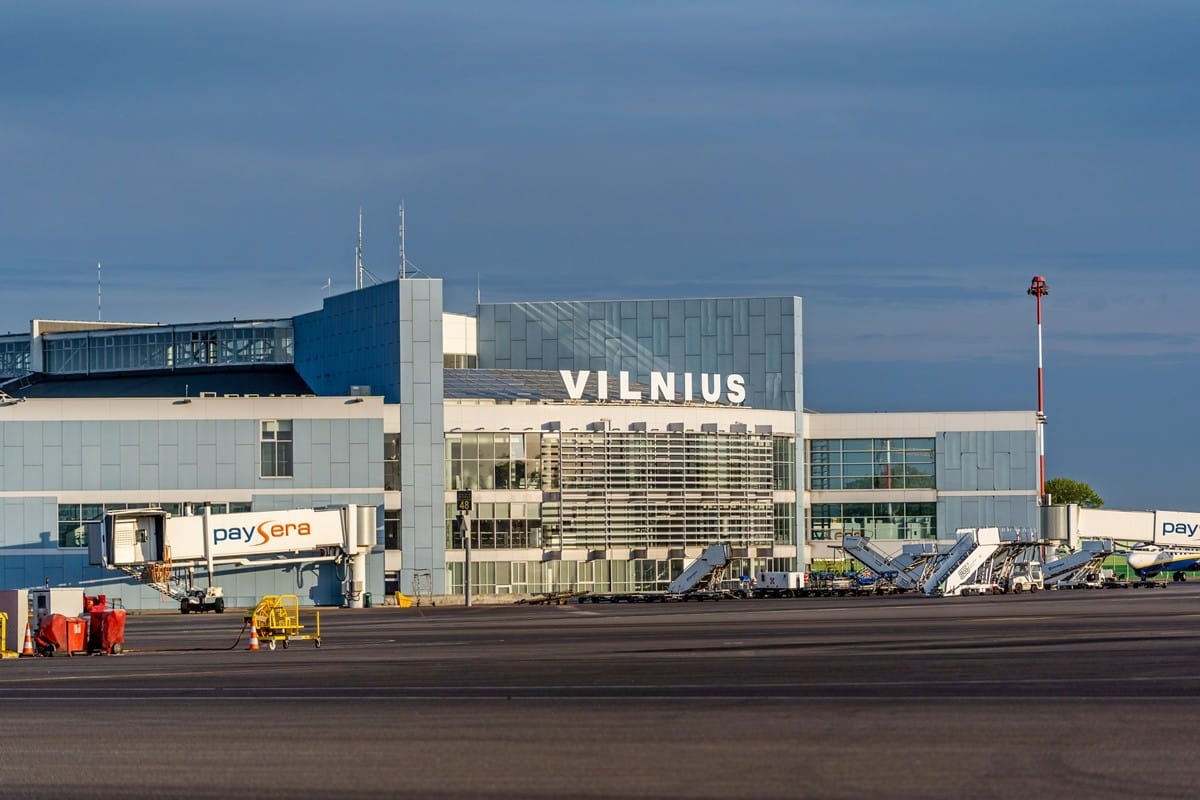
Nevertheless, LTOU passed the 7 million passenger mark on December 23, congratulating the seventh million passenger who was flying from VNO to Treviso Airport (TSF) that day.
Bartkus pointed out that December was an exceptionally busy month for the three airports, with over 535,000 travelers flying from/to the trio, an increase of 12.7% year-on-year (YoY). Split between the three airports, passenger flows at VNO, KUN, and PLQ grew by 6.4%, 12%, and 18.7% YoY in 2025, respectively.
Some of the most popular destinations from the three Lithuanian airports in 2025 were London, including City Airport (LCY), Luton Airport (LTN), and Stansted (STN), Antalya Airport (AYT), Copenhagen Airport (CPH), and others.

The airports’ CEO also added that growth on the most important routes to various hubs had been purposefully enhanced by working with airlines operating at the three airports in 2025, resulting in additional frequencies and larger aircraft on itineraries from Lithuania to Europe's largest airports.
One of those examples was the new flydubai route from VNO to Dubai International Airport (DXB), which, in addition to providing convenient point-to-point connections between the two airports, will also enable passengers to transfer at DXB to various destinations on Emirates’ network.
 Rytis Beresnevicius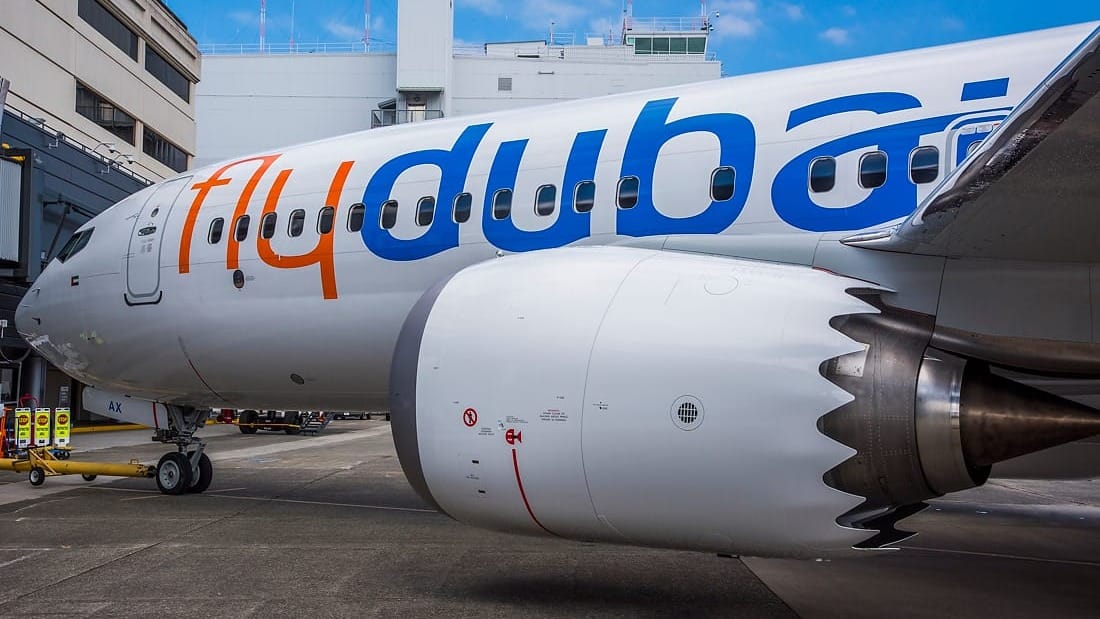
Looking forward, Bartkus emphasized that one of LTOU’s goals for 2026 is to strengthen its relationships with the airports’ current partner airlines, noting that stable flight schedules and frequencies are essential factors to ensure sustainable growth in the near-term future.
VNO’s old departure terminal, which is operated in tandem with the newly built departures hall, should also be refreshed by the end of Q2 2026, while the airport’s new arrival terminal should open by the end of 2028, LTOU concluded.


