


Ryanair has published its Q3 FY26 results, reporting strong revenue performance and a balance sheet that continues to be one of the healthiest in the industry.
During the three-month period between October 1, 2025, and December 31, 2025, Ryanair’s revenues climbed 9% year-on-year (YoY) to €3.2 billion ($3.7 billion) on the back of 4% higher ticket fares and 1% higher ancillary revenues.
Neil Sorahan, the Chief Financial Officer (CFO) of the Irish low-cost carrier, attributed the solid revenue performance to strong bookings during the mid-term holidays in Europe in October 2025, as well as “close-in bookings for Christmas and the New Year.”
During the first nine months of FY26, Ryanair’s scheduled, ancillary, and total revenues rose by 15%, 6%, and 12%, respectively. The period’s revenues benefited from Easter moving into Q1 FY26, “full recovery of the 7% fare decline suffered in last year’s Q2, and a 4% fare increase in Q3.”
 Rytis Beresnevicius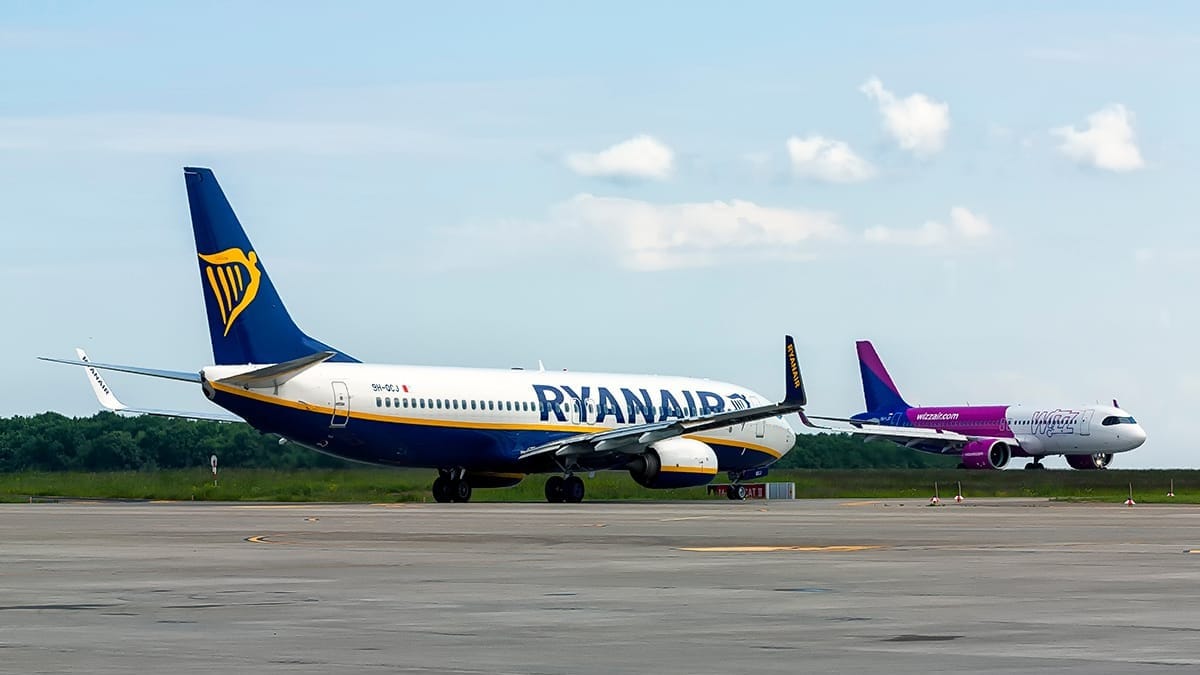
Lower fuel price locked in for FY27
With FY27 just around the corner, Sorahan remarked that the group is well-hedged for the upcoming fiscal year, with 80% of jet fuel requirements for the upcoming year hedged at $67 a barrel.
The CFO estimated that it is about a “10% saving on operating expenditure.” Sorahan also detailed that Ryanair’s euro-dollar exposure is about €/$1.15, with the current euro-to-dollar conversion rate being $1.19.
“We recently jumped on weakness in the dollar to extend our [Boeing 737 MAX 10] hedging up to 40% on a euro-dollar rate of €/$1.24.”
Fleet growth on pause until delivery of 737 Max 10s
Ryanair outlined that it ended the calendar year with 206 737 MAX 8-200 aircraft. Only four of the type remain to be delivered to Ryanair, which expects the new Boeing aircraft by the end of February 2026.
Boeing’s delivery schedule, which has recently improved, enabled Ryanair to raise its traffic outlook for FY26 from 207 million to 208 million passengers.
After those four deliveries, there will be no fleet growth until the 737 Max 10 comes online. Michael O’Leary, the Chief Executive Officer (CEO) of Ryanair, said that Boeing expects to certify the 737 MAX 10 this summer, and it is “increasingly confident, I would say very confident” that the planemaker will meet its contractual obligations and deliver 15 737 MAX 10s in the spring of 2027.
“That will be the first 15 of 300 of these fuel-efficient aircraft, which have 20% more seats, but burn 20% less fuel.”
Ryanair said that its 737 MAX 8-200s have 197 seats, while its 737 MAX 10s will have 228 seats.
In a pre-recorded question-and-answer session, O’Leary added that Ryanair would finance the 737 MAX 10 aircraft, as it has always done, by using its strong balance sheet and being opportunistic.
“I would expect mostly it will be from internally generated cash, but we will also use bond or bank markets, when it is opportunistic or low-cost to do so.”
 Rytis Beresnevicius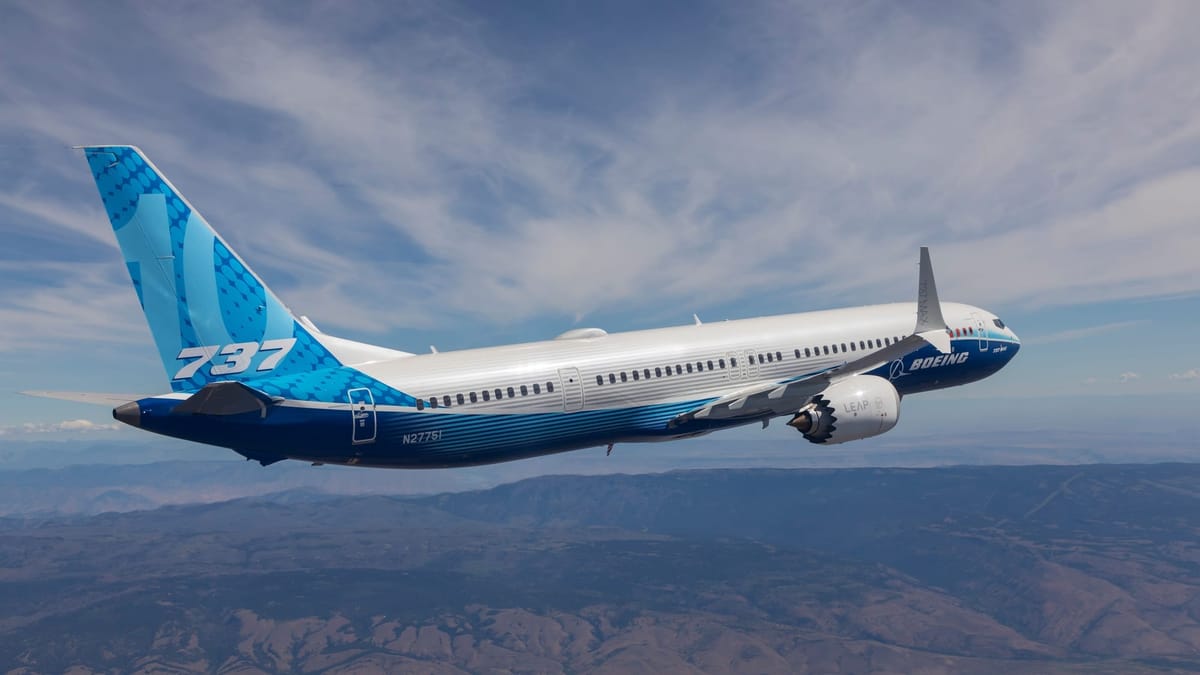
Fortress balance sheet
The airline ended the quarter with cash and cash equivalents of €2.3 billion ($2.7 billion), even after debt repayments, capital expenditure (CapEx), and shareholder distributions. The company has a revolving credit facility of €1 billion ($1.1 billion) that is undrawn.
“This financial strength widens the cost gap between Ryanair and our competitors, many of whom remain exposed to expensive (long-term) finance and rising aircraft lease costs.”
O’Leary concluded that Ryanair’s fleet of almost 620 737 aircraft is unencumbered, and the airline plans to repay its last remaining bond of €1.2 billion ($1.4 billion) in May 2026 from “internal cash resources.”


