
Spirit Airlines to reject leases for another 11 Airbus A320 aircraft
Spirit Airlines wants to end the leases of five A320neo and six A320ceo aircraft prematurely.
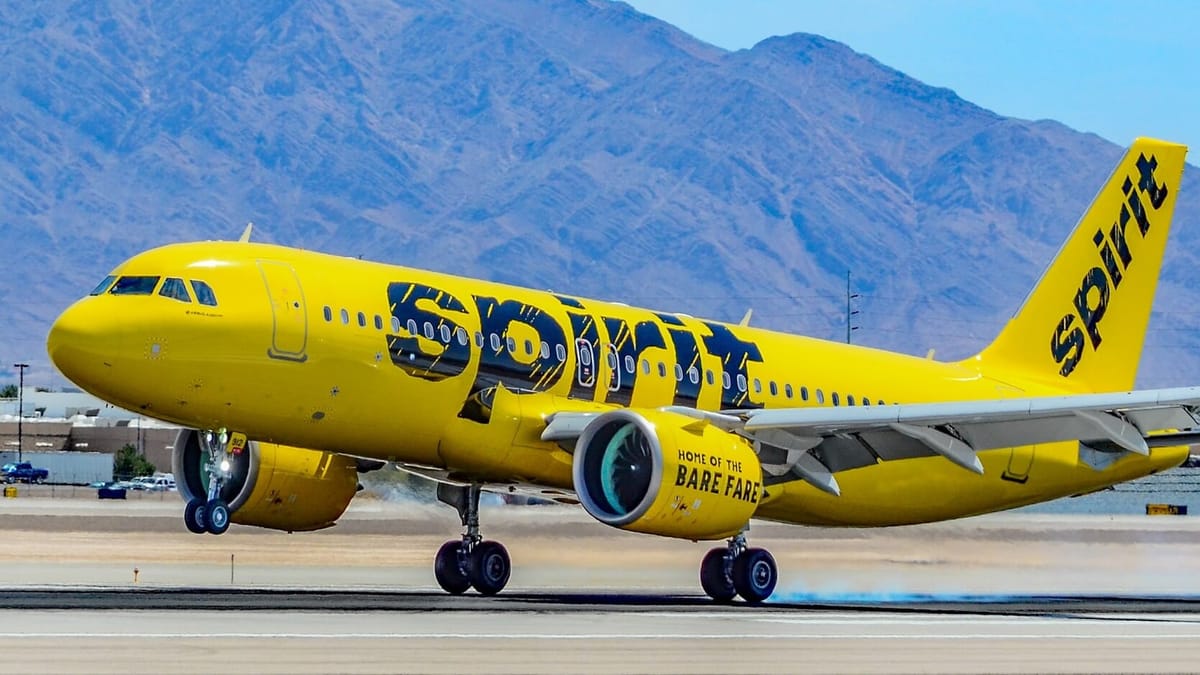
Spirit Airlines has asked the bankruptcy court for approval to reject another 11 leases for Airbus A320ceo and A320neo aircraft from six different lessors. All of the jets will be surrendered to the lessors at Phoenix Goodyear Airport (GYR) in 2025 or 2026.
In filings on December 2, 2025, Spirit Airlines requested the Southern District of New York bankruptcy court to approve a motion for the airline to reject leases of 11 A320ceo and A320neo aircraft, all of which would be surrendered to lessors at GYR in December or in 2026.
Fred Cromer, the Chief Financial Officer (CFO) of Spirit Airlines, filed a supporting motion for the request, detailing that, as the company had previously told the court, it “intends to use the tools of chapter 11 to realize hundreds of millions of dollars in annual savings and lighten its balance sheet by shedding billions of dollars of liabilities.”
As such, with its commitment to redesigning its network, the court initially approved the rejection of 58 aircraft leases in October – the court’s filings previously indicated it was 67 – and with the lease agreements having been signed “in a different economic climate,” the airline requested the premature end to another 11 aircraft leases.

The latest request concerned six A320ceo aircraft, leased from Stratos Aircraft Management, Dubai Aerospace Enterprise (DAE), ST Engineering, GA Telesis, and Airborne Capital, and five A320neo aircraft, which are owned by Fuyo General Lease.
According to the filing, the five A320neos would be surrendered to Fuyo General Lease at GYR on December 12, while five out of the six A320ceo aircraft would be given back to their lessors on February 11, 2026. The only exception is one of two ST Engineering’s A320ceos, manufacturer serial number (MSN) 6082, which would be surrendered at GYR on January 7, 2026.
The aircraft, registered as N627NK, was delivered to Spirit Airlines in May 2014, according to planespotters.net, and per Flightradar24, has continued to be operated by the airline, including the two flights it has been scheduled to operate on December 3.
Cromer reiterated that while negotiations with the six lessors “are ongoing, based on the current status of such negotiations,” the 11 aircraft are not necessary for the low-cost carrier’s operations in the future.
“[…] the unused [aircraft] will be languishing in expensive storage space without generating any value for Spirit’s estates. Put differently, the [11 aircraft] will be nothing more than a cash drain on Spirit’s businesses.”
Spirit Airlines’ CFO noted that amid the current market conditions, a smaller fleet and lower related expenses are a must to improve its financial position and flexibility. Thus, ending the leases of the 11 aircraft “will eliminate the significant costs associated with retaining [the aircraft] that are not included in Spirit’s revised business plan.”
“Spirit is also continuing to evaluate its fleet needs. As part of that ongoing analysis, Spirit may determine that it is appropriate for additional aircraft and related equipment to be retired – and any associated leases rejected – in the future.”
In a more extensive Q3 report that it published on December 2, Spirit Airlines said that as of September 30, it had a fleet of 214 aircraft, 148 of which were financed under operating leases that are set to expire between 2026 and 2043. A further 18 aircraft “would have been deemed finance leases, resulting in failed sale leaseback transactions,” it said, with the report showing that it added $45 million of liabilities associated with these failed transactions with its latest update to its long-term debt and finance leases.
The low-cost carrier ended the quarter with a net loss of $317.4 million, with its quarterly revenues contracting to $958.2 million, while operating expenses were above $1 billion. Spirit Airlines had $646.5 million of cash, cash equivalents, and restricted cash as of September 30, a slight improvement compared to its liquidity at the end of September 30.
 Rytis Beresnevicius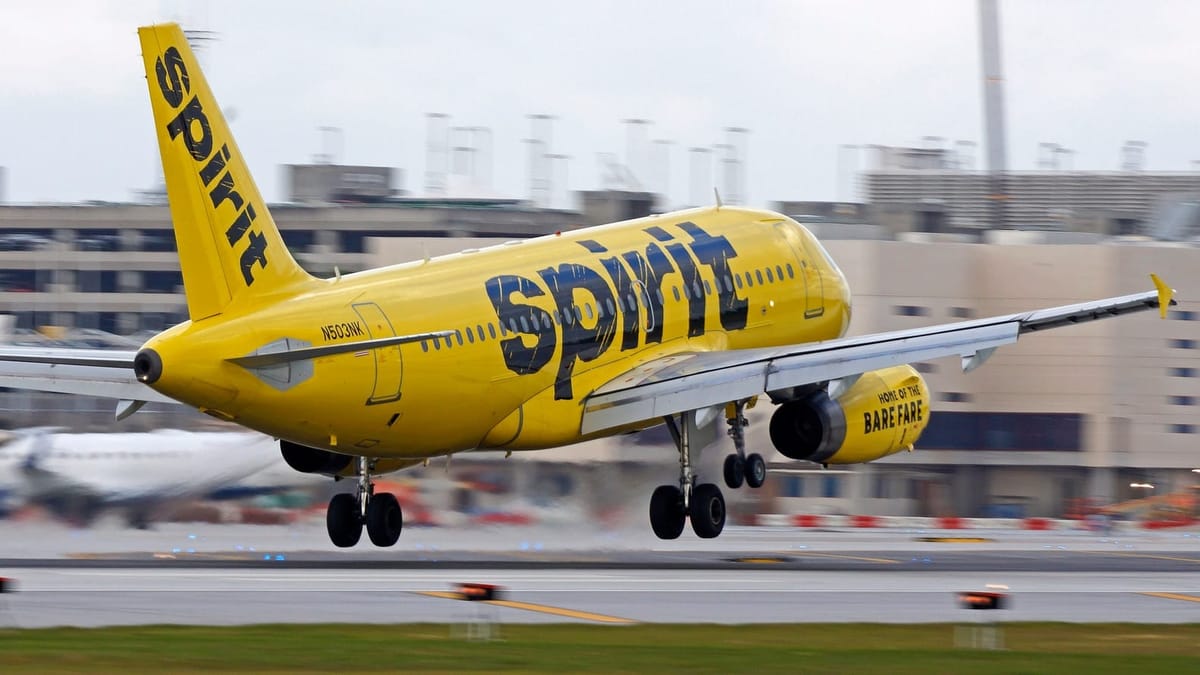

Comments ()