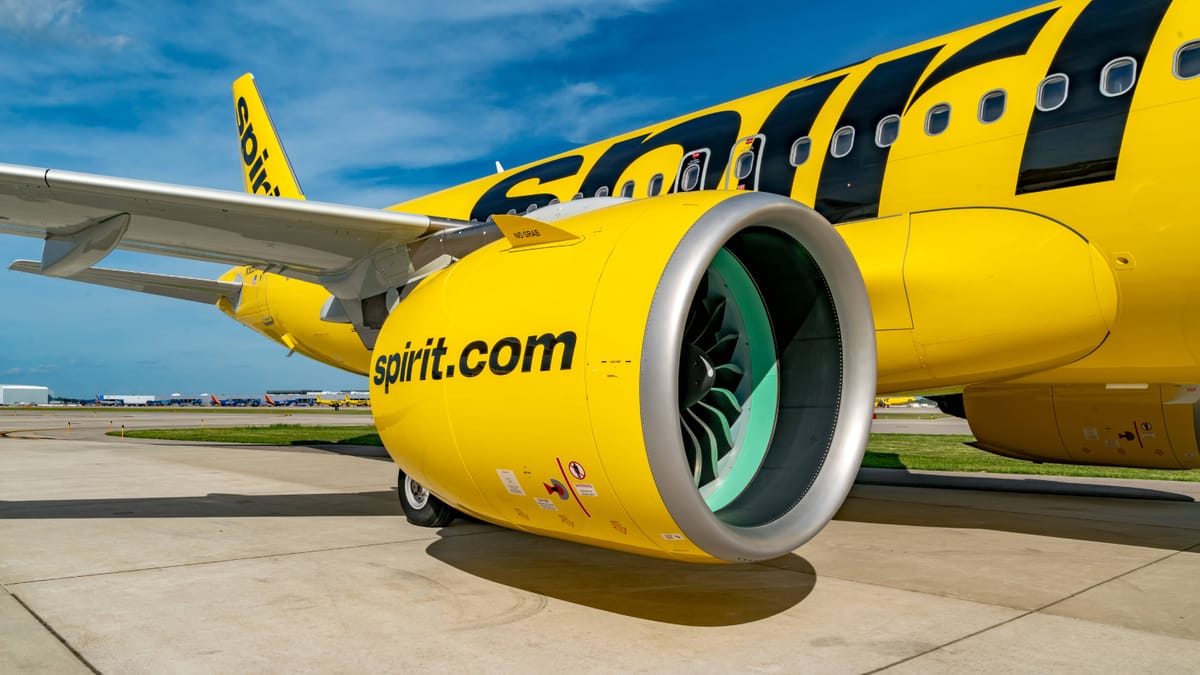


Spirit Airlines has published its updated post-Chapter 11 bankruptcy plan, detailing that, while it will remain loss-making in 2026, it expects a small profit of $55 million in 2027 with an operating margin of 8.1%.
Dramatically improving margins
On March 16, 2026, Spirit Airlines published its detailed post-Chapter 11 bankruptcy plan, stating that initial transformation initiatives have already resulted in “dramatically improved earnings,” with an estimated Q1 2026 operating margin of -5.6%, compared to an operating margin of -27.1% in Q1 2025.

The “initial restructuring objectives” have largely been accomplished, it said in its presentation.
Still, going forward, Spirit Airlines targets to operate a fleet of 76 aircraft, largely comprised of Airbus A320ceo family jets, by mid-August 2026 after its management had “created an alternative near-to-mid-term business plan that further reduces the size of the airline by 35 to 40 aircraft.”
Previously, when it reached an agreement with International Aero Engines (IAE), it assured the creditor, which is the engine maker of the V2500 and the certificate holder of the Pratt & Whitney PW1100G, that it would operate at least 78 A320ceo family and between 10 and 28 A320neo family aircraft.
“Fleet reduction facilitates the sale of 20 […] A320/A321 CEOs and the rejection of up to 18 high-cost NEO aircraft.”
Spirit Airlines said that the smaller fleet size would minimize operating cash requirements, improve margins, and significantly reduce aircraft-related debt.
 Rytis Beresnevicius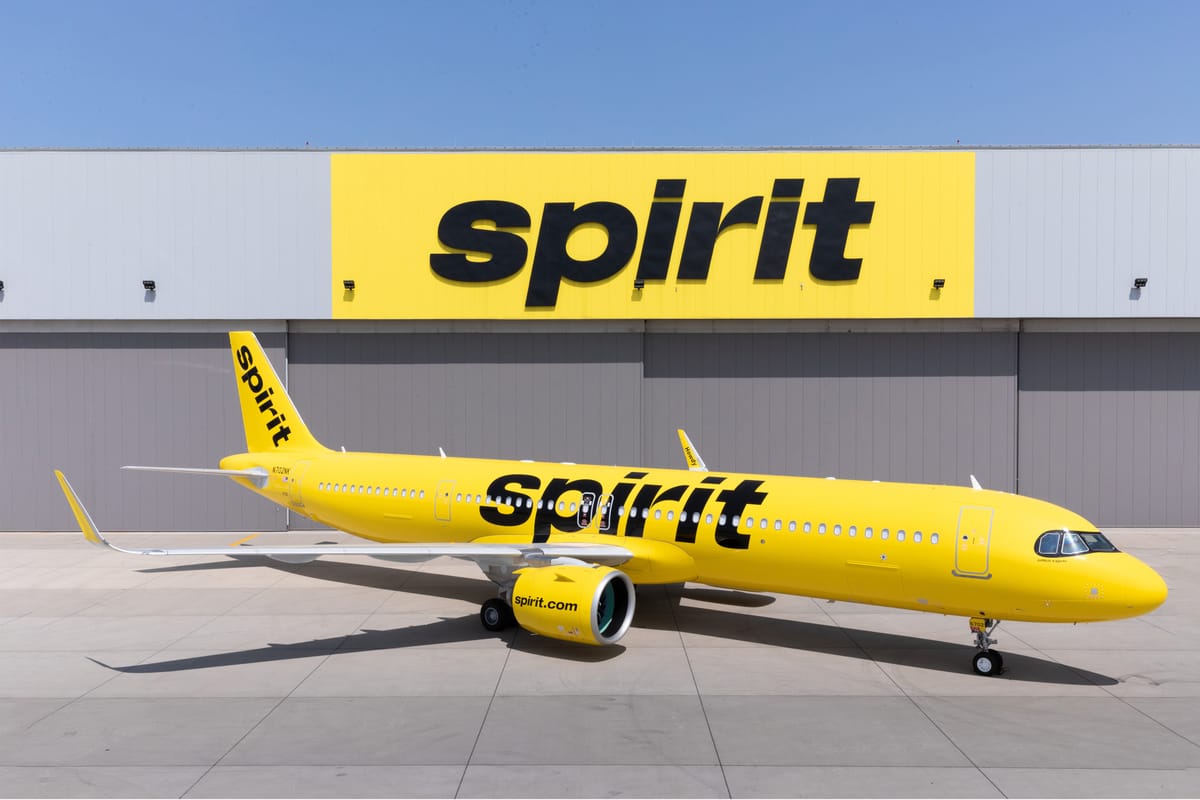
Maximizing unit revenue with more premium seating
The low-cost carrier stated that the three key initiatives that it has undertaken since filing for its second Chapter 11 bankruptcy proceedings in August 2025 were the removal of unprofitable flying from its network, reallocation of capacity into its core markets, and optimization of schedule to emphasize “quality and consistency.”
According to its own estimates, this will result in its total revenue per available seat mile (TRASM) increasing from 9.56¢ to 10.84¢ after it emerges from bankruptcy, which should happen in July of this year.
In comparison, Frontier Airlines’ RASM was 9.37¢ in 2025.
Spirit Airlines will fully transition its fleet to have eight Spirit First, known as the ‘Big Front Seat,’ and 42 premium economy seats, which are expected to further improve its unit revenues in the long term. Now, the airline’s aircraft have eight Big Front Seats, yet some aircraft have fewer premium economy seats, which either have more legroom or a blocked middle seat.
The airline expects to generate an additional $44 million in revenue in 2026 due to the expanded premium capacity. In addition, Spirit Airlines will have a new revenue management platform that will support “new strategies, a seat buyback and resell program, and a new network that allows for longer-term scheduling,” it said.
Post-bankruptcy, it should emerge with 48 leased and 28 owned aircraft, compared to 166 leased and 48 owned planes before it filed for court-protected restructuring in August 2025.
 Rytis Beresnevicius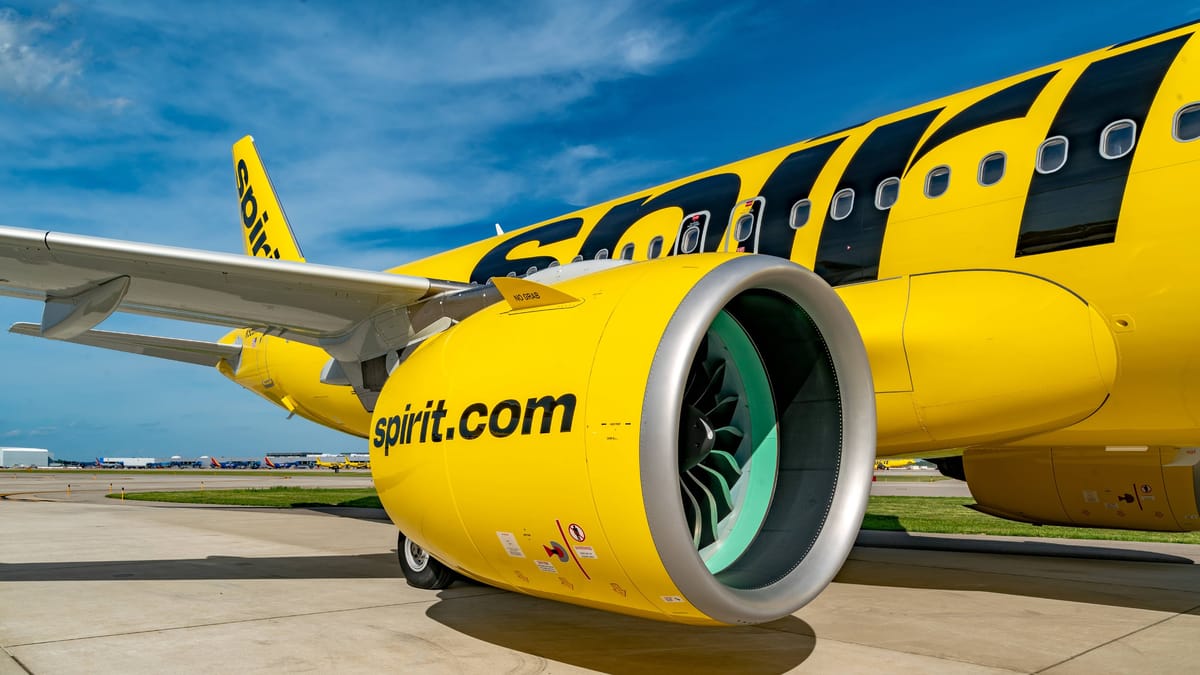
Onward to profitability
In 2026 alone, the airline plans to remove almost $1 billion in costs from operations compared to 2025, excluding fuel and fleet-related expenses, resulting in an adjusted earnings before interest, taxes, depreciation, amortization, and restructuring or rent (EBITDAR) of $456 million.
In 2025, its adjusted EBITDAR was -$90 million.
Overall, Spirit Airlines plans to end 2026 with revenues of $3 billion and an operating margin of 0.5%, resulting in a net loss of $111 million. In 2027, revenues will be lower, at $2.7 billion, but lower costs are expected to result in an operating margin of 8.1%, yielding a net profit of $55 million.
It should also begin generating cash from operations sometime in October.
Spirit Airlines also updated stakeholders about the current fuel situation, saying that jet fuel prices have surged to levels the industry has not seen since Russia invaded Ukraine in February 2022.
“While the company is certainly exposed to this rapid rise in fuel costs,” it has a few mitigating factors up its sleeve, including short booking windows and its flexibility during the restructuring process, putting it in “an advantaged position to reduce capacity and fixed costs.”
Since the surge in fuel prices, Spirit Airlines “enacted an additional $10 system-wide increase” for fares on March 9 for all bookings past mid-April, it stated, saying that it will continue to monitor and react to the situation in the industry.
“Illustratively, for the month of April, a $20 fare increase across all bookings would offset jet fuel price increases of up to 70% from forecasted levels.”
As of March 9, fuel prices went up by 55% compared to late February, Spirit Airlines highlighted.
 Rytis Beresnevicius