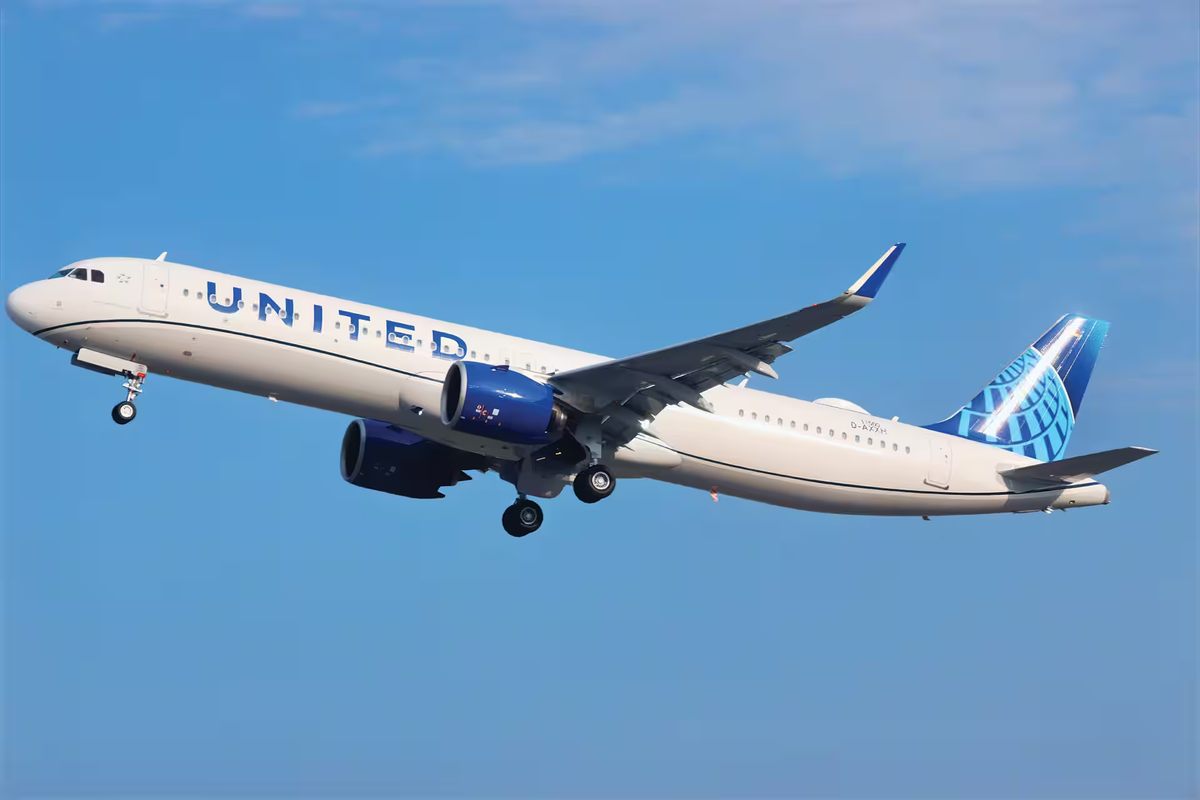


In an interesting quip at an investors’ conference, the chief executive of Delta Air Lines said that one of the airline’s strengths has been its continued focus on a differentiated and premium product, something that United Airlines is doing its best “to copy us.”
At the Morgan Stanley Global Consumer & Retail Conference on December 3, 2025, Ed Bastian, the Chief Executive Officer (CEO) of Delta Air Lines, explained how the airline has built resilience into its business that has helped the carrier sustain its performance in 2025, when external shocks have impacted the air travel industry.
According to Bastian, the resilience is underpinned by two factors: differentiation of its product and operational reliability.
“I know the airline industry is struggling for differentiation across the broad landscape,” Bastian stated, adding that following the Delta-Northwest Airlines merger, the airline said, “if we do not have a differentiated product and the ability to drive a premium experience, we are going to die.”
The CEO continued that while the United States airline industry has seen many bankruptcies in the early 2000s, when Delta Air Lines came out of its own by focusing on reliability and providing tools to its employees “to do a great job, you have to build confidence in your customers and in your communities.”
“And that is what we have been after.”

Over the last 10 years, that has only accelerated, especially during the pandemic, Bastian noted, stating that Delta Air Lines’ focus on premiumization has “now come to light.”
“One thing when you look at the backdrop within the industry, every airline in the US has changed its strategy post-COVID. […] United’s doing [its] best to copy us, and I do not blame them. I would copy Delta too if I was [sic] them. They are smart.”
Bastian highlighted that every airline in the US has “changed their mind,” pointing out Spirit Airlines’ second bankruptcy, Frontier Airlines’ premiumization, changes at Southwest Airlines, and American Airlines’ changing strategy as some of the examples.
“We are consistent,” Bastian said, with consistency of execution and alignment being “far more important than any individual strategy decision.”
Delta Air Lines’ CEO added that one of the signs that has shown that the airline is on the right track is that, despite the US government shutdown and its impact on air travel, the carrier is still going to hit its free cash flow (FCF) target of around $4 billion.
Before the conference, the carrier published an update to its investors, saying that while demand remains healthy for Q4, the government shutdown, including the mandated flight cuts by the Federal Aviation Administration (FAA) in early November, should impact Delta Air Lines’ quarterly pre-tax profits by around $200 million, or a hit of around 0.25¢ of earnings per share (EPS).
“Growth in travel bookings has returned to initial expectations following a temporary softening in November related to the government shutdown,” it stated.
When Delta Air Lines unveiled its Q3 results on October 9, it estimated that Q4 revenue would be up between 2% and 4% year-on-year (YoY), with an operating margin of 10.5% to 12%, and EPS of $1.60 to $1.90. Full-year FCF would be between $3.5 billion and $4 billion.
 Rytis Beresnevicius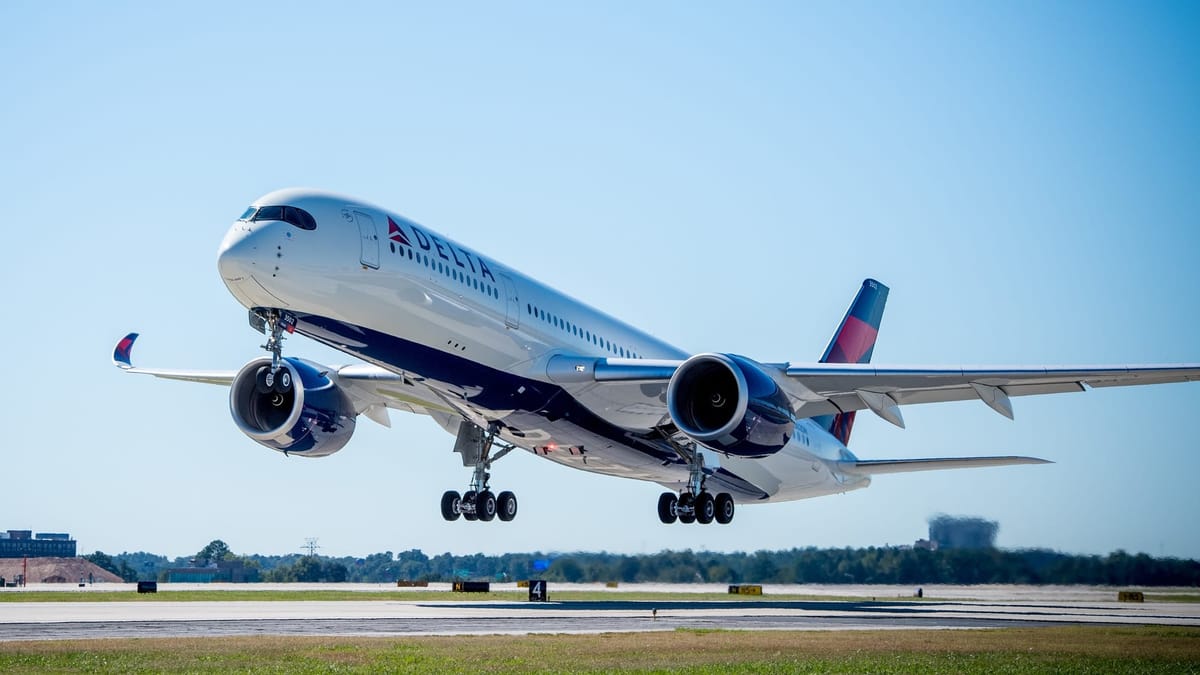
On the other side of the quip, Scott Kirby, the CEO of United Airlines, has, on multiple occasions, said that there are two brand-loyal airlines in the US: Delta Air Lines and United Airlines.
During the latter’s Q2 2025 earnings call, Kirby stated that he “respects Delta,” adding that on a conceptual level, United Airlines has been trying to win brand-loyal customers for the past 15 years. “[…] I think they were one of the first airlines, maybe the first in the US, to really prove that winning brand-loyal [passengers] was the winning formula.”
“[…] we're the only 2 brand-loyal revenue diverse airlines. I think that is structural. It is permanent.”
Funnily enough, Kirby said that the two being a brand-loyal airline was something that was not “copyable by anyone else.”
 Rytis Beresnevicius